Introduction — a quick scene, a few numbers, one question
I remember standing on a factory floor, the air smelling faintly of wet fabric and disinfectant, while machines hummed like a small city. The company was testing a wholesale wet wipe production line that promised 6,000 to 20,000 wipes per hour — impressive on paper, messy in reality. (We’d just rolled out a new batch and lost half an hour to a misfeed.) What matters most when you move from a bench trial to full runs: throughput, downtime, or product consistency? That question keeps me up sometimes — and it’s what we’ll unpack next.

Here I’ll share simple comparisons, honest trade-offs, and a few hands-on lessons. I want this to feel practical, not textbook. Expect clear examples, a couple of industry terms like edge computing nodes and power converters to anchor the ideas, and short takeaways you can use right away. Ready to dive in? Let’s go.
The deeper layer: why traditional systems fail (automatic wet wipes machine)
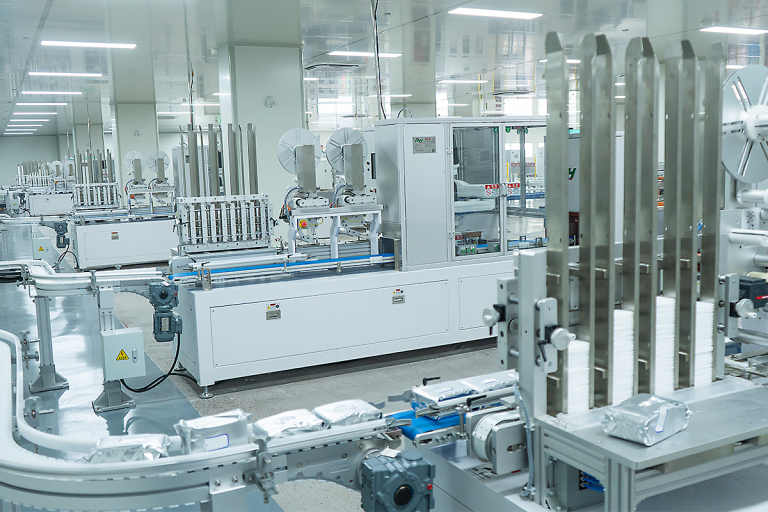
automatic wet wipes machine setups look great until you run a 24-hour shift with variable feedstock. I’ve seen lines choke on small inconsistencies — a roll with a slightly different core diameter, a minor humidity shift, or a label that shifts by millimeters. These aren’t exotic failures. They’re familiar, maddening, and expensive. From my experience, three weak spots keep popping up: sensor drift, weak motion control, and basic integration gaps with MES systems. PLCs do the logic; servo motors handle motion; yet the system still fails when the loop from sensor to controller isn’t tightly tuned.
Why do these failures keep happening?
Here’s the technical truth: legacy designs assume perfect inputs. In the real world, inputs are noisy. Sensors age, and calibration fades. Edge computing nodes can help with local decision-making, but only if the architecture includes fallback logic. Power converters that falter under transient loads will drop voltage and upset timing — and the wipe stack goes out of sync. Look, it’s simpler than you think: better feedback loops, redundant sensing, and smarter I/O handling fix many recurring faults. I’ve repaired lines where a single additional proximity sensor cut misfeeds by 60% — funny how that works, right? We also must acknowledge human factors: operators need clear alarms and quick reset paths; otherwise, small issues escalate into long stoppages.
New technology principles and practical choices for the future
What should you look for going forward? I focus on three principles: resilience, observability, and modularity. Resilience means the line keeps producing when one part hiccups. Observability gives you real-time insight — not just a red light but a trend line showing drift. Modularity lets you swap a module (say, a folding unit) without redesigning the whole line. The good news is many modern automatic wet wipes machine designs embrace these ideas. You get better diagnostics, more accessible firmware updates, and clearer operator displays. That makes my life, and probably yours, less stressful during scale-up.
What’s Next — practical steps and real metrics
Let me be concrete. First, insist on integrated diagnostics that record and timestamp alarms. Second, ask for a service plan that includes spare power converters and a plan for PLC backups. Third, demand that the supplier supports edge analytics so you can spot degradation before it becomes downtime. These steps are simple. They’re also powerful — and they shift the cost curve from surprise repairs to predictable maintenance. — and yes, investing in front-end training for operators pays back quickly.
To close, here are three evaluation metrics I always use when choosing a production line: uptime percentage under real runs (not specs), mean time to repair (MTTR) for common faults, and the clarity of the diagnostics (can an operator read it and act in under three minutes?). Weight those metrics against price, and you’ll make smarter choices. I’ve seen companies cut hidden operational costs by half simply by demanding better observability up front. We trust the data, but we also trust our hands-on experience. If you want a practical partner, check out ZLINK — they’re focused on usable solutions, not just glossy brochures.
About the Author
