Introduction
Define the job, then choose the tech. That is the quiet rule behind every stable fleet or plant. A hydrogen fuel cell looks clean and ready, but the real work begins in cold mornings and crowded depots. In one city test, six buses shared one maintenance bay and faced a winter week that pushed uptime down by almost a fifth—mostly due to water and heat control. The proton exchange membrane fuel cell sits at the center of this story because it is compact, quick to start, and built for mobility. Yet it lives or dies by small things: air compressor tuning, humidifier balance, and how power converters respond to sudden load spikes. We also see the “balance of plant” (BoP) doing quiet heavy lifting (pumps, valves, sensors), and that is where many projects stumble. So, what happens when a well-funded rollout still misses service targets and public trust? The simple answer is this: integration is hard, and the gap between lab specs and street duty can be wide. But it is fixable—if we compare what fails with what endures and ask why.

Let’s walk through the pressure points, then map the better path forward.
The Deeper Layer: Hidden Pain Points in PEM Systems
Why do solid designs still struggle?
Let’s get precise about the proton exchange membrane fuel cell. It is elegant in theory and fussy in practice. The membrane electrode assembly (MEA) needs a tight humidity window. Too dry and resistance rises; too wet and you get flooding. Both kill performance fast. Bipolar plates must spread gas evenly while dumping heat with care. If thermal management lags, current density swings and stack voltage sags. Look, it’s simpler than you think: most “mystery” faults are water and heat. Add in catalyst poisoning from trace impurities and you get drift over weeks, not years. And then there’s the compressor—if airflow lags during a hill climb, output drops just when the driver needs it most. This is why BoP design and control logic matter as much as the stack chemistry itself.
Now the user pain points. Operators don’t want to babysit humidity or swap filters every few days. They want cold-starts under 60 seconds, stable power on steep grades, and clear fault codes—not a guessing game. Edge computing nodes can help, but the alerts must be simple: “drying trend, reduce load” is useful; “error 47” is not. Service teams also need consistent parts and fast diagnostics. When tolerances on gaskets or sensors drift, the stack spends more time in protect mode than in work. And that erodes trust—funny how that works, right? Good hardware without plain, reliable routines still feels fragile.
Comparative Outlook: Better Principles, Clearer Choices
What’s Next
The fastest wins come from comparing control strategies, not just swapping parts. New water management schemes use segmented flow fields and hydrophobic microchannels to drain faster during load ramps. Advanced coatings on bipolar plates cut contact resistance and help heat spread more evenly. On the control side, model-based algorithms track membrane hydration and adjust compressor speed, purge timing, and coolant flow in sync—rather than in silos. When you see a proton exchange membrane fuel cell hold voltage steady through stop-and-go traffic, that’s often why. And in cold regions, improved thermal loops with preheaters reduce ice risk at the cathode while keeping start-up energy low. The net effect: fewer hard faults, smoother transients, longer stack life. Small changes, big returns.
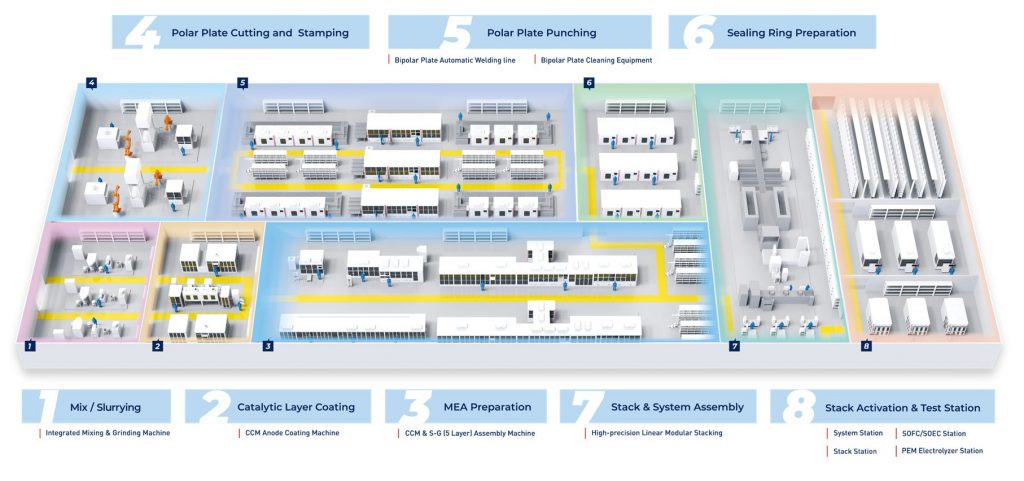
We can also compare by use case. Transit fleets need predictable uptime and quick service, so standardized BoP modules and clear diagnostic trees beat bespoke one-offs. Stationary backup power craves efficiency at partial load, so better power converters and smarter turndown control matter most. Light-duty vehicles live and die by cost per kilometer, which means simpler plumbing, lower catalyst loading, and software that hides the complexity. Summing up: manage water and heat, simplify service, and tune controls to real duty cycles. For teams choosing solutions, use three crisp metrics: 1) cold-start to rated power at 0–5°C with no fault carryover; 2) stack durability under dynamic cycles to a clear voltage threshold; 3) total service cost per 1,000 hours, including BoP parts and labor. Do that, and the rest aligns—because the right comparison makes the right choice obvious. For deeper technical pathways and manufacturing insight, see LEAD.
About the Author
