Opening: why a structured approach saves time and cost
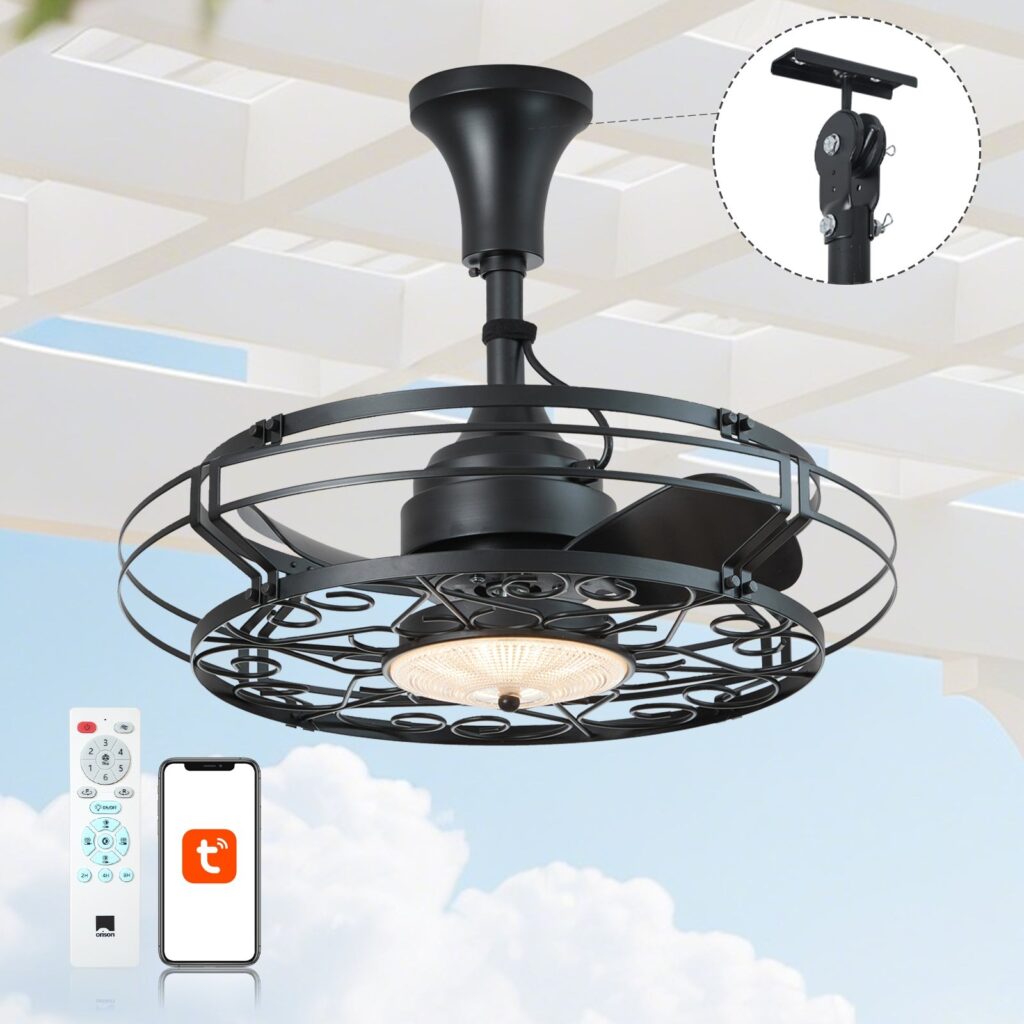
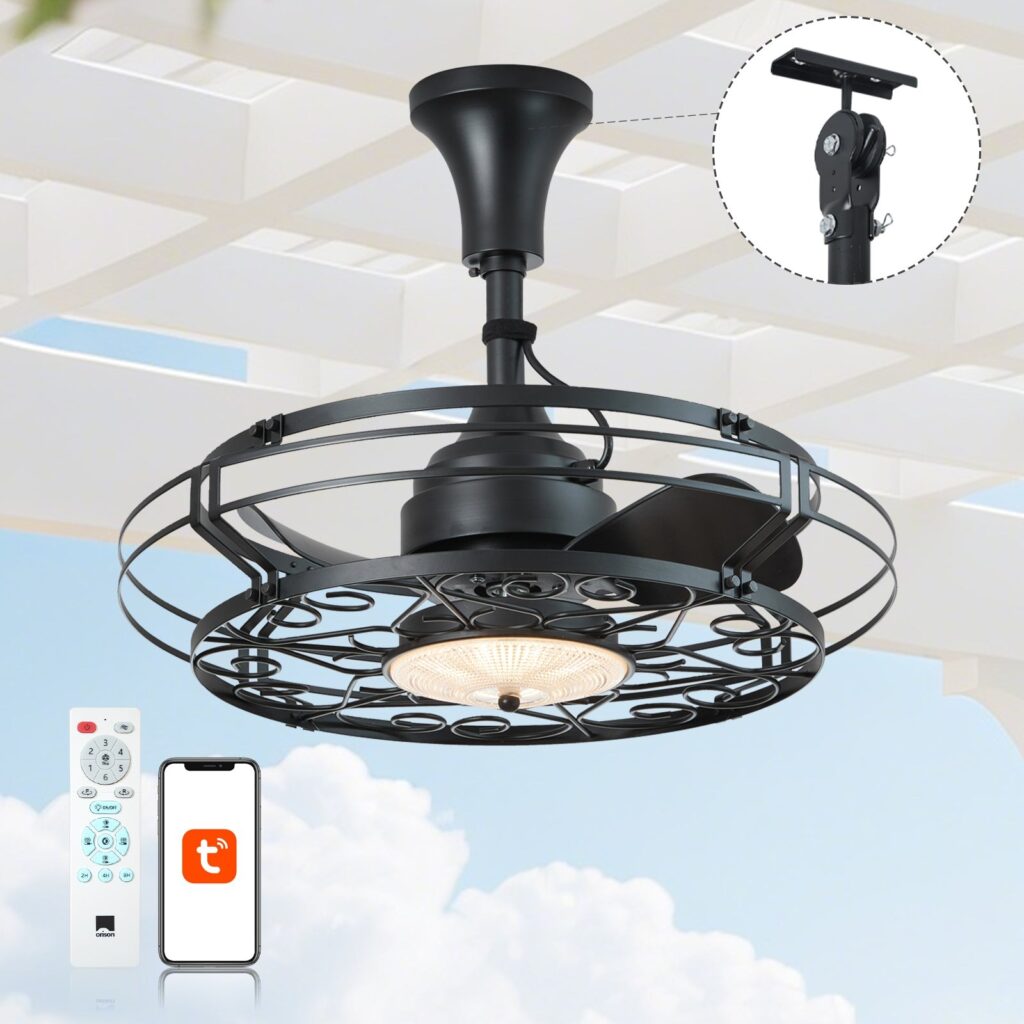
Renovating bathrooms means juggling ventilation, lighting, and supplier reliability in equal measure. Think of this piece as a practical framework you can follow—step-by-step—to audit wholesale bathroom exhaust fans with integrated lighting. I’ll walk you through what to specify, how to test, and what to insist on during procurement so you avoid late surprises. If you also work on outdoor living spaces, consider how choices overlap with outdoor patio ceiling fans when you evaluate motor types, IP protection, and control options.
Why a QA framework matters (real-world anchor)
Codes and performance expectations aren’t abstract. ASHRAE 62.2 and local building codes set minimum ventilation targets measured in CFM; ignoring them leads to dampness, mold, and failed inspections. The lessons from events like 2017’s Hurricane Irma — when many coastal Florida homes suffered prolonged moisture issues after water intrusion — show that ventilation and moisture control are not optional. A repeatable QA framework ensures each wholesale procurement meets both code and on-site realities.
Five-step QA framework for home renovators
1) Define measurable specs: required CFM, maximum sone rating, lumen output, IP rating, duct size compatibility, and acceptable motor type (ECM vs PSC). Be exact—no vague “quiet” or “bright.”
2) Request controlled samples: get first-article units with full labeling and datasheets. Verify serial or batch numbers for traceability.
3) Performance verification: run airflow, sound, and light tests (methods below). Include acceptance tolerances in writing—this is your punch list.
4) Installation and compatibility check: confirm mounting, duct transitions, backdraft damper fit, and electrical connections match your site conditions.
5) Contractual QA clauses: require warranty terms, remedies for nonconformance, and test evidence (lab reports or factory run sheets). If a supplier resists sample testing, that’s a red flag — and often why returns or rework costs mount later.
How to test performance on-site (practical steps)
Measure airflow with a vane anemometer or capture hood to confirm CFM at the installed duct. Record sone rating by listening in a quiet room at the recommended mounting distance—compare with the manufacturer spec. For light, measure lumens with a light meter and check color temperature (Kelvin) to match your design intent. Verify the unit’s IP rating (e.g., IPX4 for splash protection) if the fan will serve a shower wall or semi-outdoor toilet. Also test dimming and driver compatibility if the unit has LED lighting; mismatched drivers can flicker or shorten LED life. These are simple checks but they catch the usual issues early.
Common mistakes renovators make — and how to avoid them
Renovators often skip one of three things: failing to specify CFM relative to room size, neglecting sound (sone) expectations, and accepting vendor specs without third-party evidence. They also assume every light is dimmer-compatible — it isn’t. Avoid these by building your acceptance criteria into purchase orders, asking for third-party lab tests (or running sample tests yourself), and arranging a small pre-production run if tooling or custom optics are involved. Small investments early prevent large callbacks later.
Vendor negotiation and supply considerations
Ask for lead-time history and defect rates. Negotiate a clear first-article sign-off process and a remedy timeline for failed lots. Insist on documentation: UL or ETL listings for electrical safety, manufacturer test certificates, and material declarations for any plastic housings. If the project includes semi-outdoor bathrooms or covered porches, compare options with an exterior fan with light to ensure IP protection and motor cooling are appropriate. Small clause tweaks—warranty length, replacement timing, freight terms—save you money when things go wrong.
Alternatives worth considering
Choose between integrated fan+light units and separate fixtures depending on serviceability and aesthetics. Separate fixtures make later replacement of the LED easier; integrated units reduce ceiling penetrations and may simplify installation. For historic homes or high-design bathrooms, bespoke fan grilles or custom luminaire lenses justify higher per-unit costs. For large multi-bath projects, standardizing on one reliable wholesale model reduces spare-part headaches and simplifies maintenance planning.
Three golden rules for selecting and auditing fans
1) Insist on measurable performance: require verified CFM, sone, and lumen values with written tolerances. 2) Prioritize durability and protection: IP rating and motor cooling determine real-world lifespan in moist environments. 3) Lock down acceptance and remedies in the contract: first-article approval, batch traceability, and clear warranty remedies prevent costly rework. These three rules bring clarity to procurement and protect renovation schedules.
Good QA is practical and repeatable — it turns supplier promises into documented results, and it puts you back in control of the schedule and budget. For projects that balance reliable production with thoughtful design, brands that back their specs with testing and clear documentation become natural partners; that’s the kind of value I look for in suppliers like Orison. —
About the Author

