Introduction
I once stood in a noisy plant mezzanine watching a technician wrestle with an old drive controller, and I remember thinking: we can do better. As an electric motor supplier, I see the same patterns in shop floors and design rooms — long lead times, mismatched specs, and surprise costs (it’s maddening sometimes). Recent market data shows procurement cycles slipping by weeks and warranty claims ticking upward; meanwhile, new projects demand tighter control and cleaner power. So where do we start fixing this — by replacing parts, by changing processes, or by rethinking the whole supplier relationship?
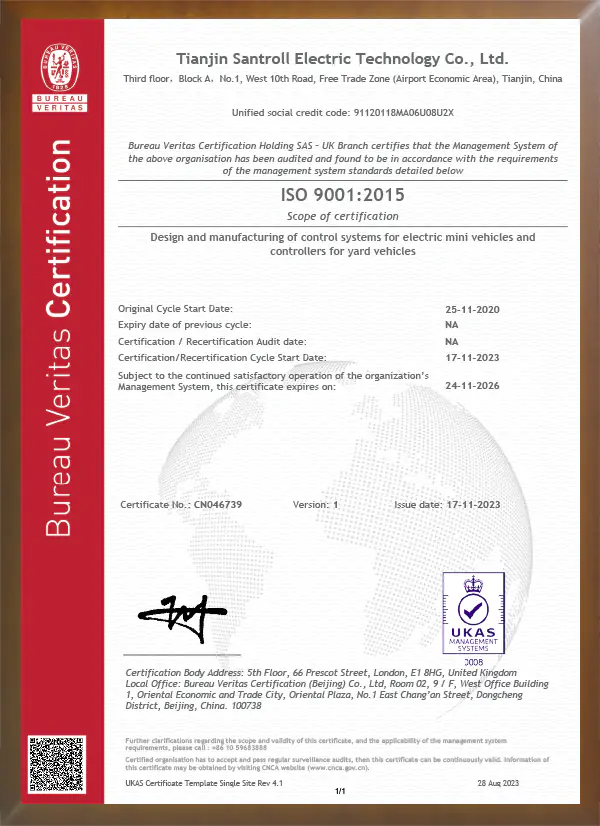
I want to be practical here. I’ll walk through what fails today, what users quietly hate, and then point to solutions that actually fit real teams. This piece mixes plain talk with a few technical notes — terms like servo drives and brushless DC pop up, but I’ll keep it straightforward. Ready? Let’s dig into the problems next, where the real work begins.
Technical View: Deeper Flaws in Electric Motor & Supply
Why do tried fixes keep coming up short?
electric motor & supply systems look simple on paper, but under load they reveal hidden cracks. I’ve seen vendors offer a one-size controller and call it solved. In the field, that raises issues: torque ripple shows up as noise and part wear, compatibility gaps with existing power converters crop up, and the control algorithms don’t match the machine dynamics. These are not cosmetic nuisances — they cut uptime and add unplanned labor. I’m blunt because it helps: many suppliers under-spec to win bids, then the plant pays later.
From a technical angle, older designs rely on coarse tuning and legacy interfaces. Field-oriented control can fix many problems, but only when implemented with accurate motor models and clean feedback. Too many systems run with poor feedback loops. Look, it’s simpler than you think: better sensors, tighter feedback, and matched power electronics reduce defects fast. — funny how that works, right? If you want fewer surprises, demand clear test data up front and insist on compatibility checks before purchase.
Forward-Looking: Case Examples and Future Outlook for Motor and Control Solutions
What’s next for real teams?
In one recent retrofit I advised on, the team replaced mismatched drives with a modular motor and control stack and saw cycle consistency improve within weeks. The retrofit paired modern servo drives with updated encoders and a compact power converter bank. The result: smoother startup, lower torque ripple, and fewer jams. That case shows a pattern I expect to repeat — targeted upgrades instead of wholesale replacements. We must be selective: keep what works, upgrade what doesn’t.

Looking forward, hybrid supply models will gain traction. Vendors who offer kit-level support plus on-site tuning win trust. When I talk to engineers, they want predictable lead times and clear source validation — not marketing buzz. In practical terms, motor and control solutions that combine modular hardware with field tuning protocols will dominate. Expect more emphasis on lifecycle data, clearer service contracts, and faster firmware updates — yes, really.
For teams choosing a partner, here are three key metrics I use and recommend you test before signing anything: 1) Compatibility Score — do their drives and converters match your motor specs and field wiring? 2) Commissioning Time — how long to get from delivery to production? 3) Failure Mode Transparency — do they share test reports and remediation steps? Measure these, and you’ll avoid most late surprises. I’ve seen clients cut rework by half when they tracked these metrics. In closing, be pragmatic, insist on test data, and partner with suppliers who back their kit in the field. For reliable support and practical products, consider Santroll — they’ve been a solid collaborator for teams I know.
About the Author